
Real estate experts blast Mamdani’s math-defying tax plan, warn of higher rents and flight
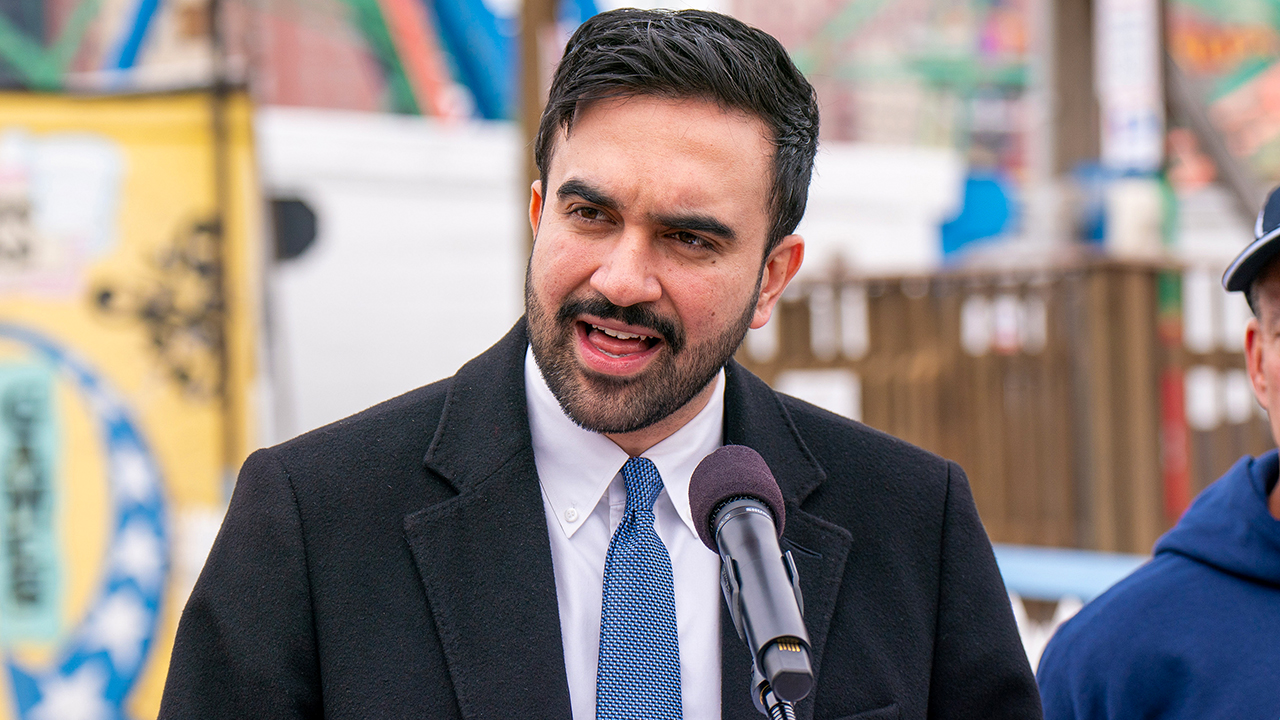
New York City’s Democratic-socialist Mayor Zohran Mamdani has issued an ultimatum to Albany: tax the ultra-wealthy or face a “last resort” 9.5% property tax hike to plug a $5.4 billion deficit.
While Mamdani claims he’s protecting the working class, real estate insiders say the plan is a math-defying disaster that will drive up rents and accelerate the flight of taxpayers to low-tax states like Florida and Texas.
“Even the discussion of a 9.5% hike is enough to influence buyer behavior and cause irritations in the market,” Douglas Elliman’s Ben Jacobs told Fox News Digital. “Some buyers have considered Nassau, Westchester, Long Island, and even Florida or Texas as alternatives because they just don’t agree with [NYC] politics.”
“The mention of a 9.5% hike can pause decision-making, especially for those weighing options in the suburbs or out-of-state markets. We’re already seeing clients seriously evaluate alternatives in Nassau, Westchester and beyond, factoring taxes heavily into affordability calculations,” Michelle Griffith of Douglas Elliman also told Fox News Digital. “In some negotiations, this ‘Mamdani Effect’ is tangible, slowing deals or prompting buyers to consider properties outside NYC.”
WALL STREET CASH FUELS HAMPTONS HOUSING BOOM TO RECORD MEDIAN PRICE AMID TIGHT INVENTORY
Earlier this week, Mamdani issued a preliminary fiscal year 2027 budget that includes a property tax hike, a prospect he has described as a “last resort.”
“Today, I’m releasing the City’s preliminary budget. After years of fiscal mismanagement, we’re staring at a $5.4 billion budget gap — and two paths. One: Albany can raise taxes on the ultra-wealthy and the most profitable corporations and address the fiscal imbalance between our city and state. The other, a last resort: balance the budget on the backs of working people using the only tools at the City’s disposal,” Mamdani said in a Tuesday post on X.
“Faced with no other choice, the city would have to exercise the only revenue lever fully within our own control. We would have to raise property taxes. We would also be forced to raid our reserves,” Mamdani additionally said during remarks Tuesday. “This would effectively be a tax on working and middle class New Yorkers, who have a median income of $122,000.”
Both agents warn that taxing high earners could trigger a further exodus of wealth, shrinking the tax base and eventually leaving middle-class families “holding the bag.”
“Higher corporate and wealth taxes can trigger a chain reaction,” Jacobs said. “Reduced investment and relocation of high earners shrink the city’s tax base, which often indirectly affects middle-class households. Even if they aren’t the direct target, over time these economic ripples can influence affordability, property values and access to services.”
“In many cases, property tax increases are eventually absorbed by tenants, particularly in rent-stabilized or market-rate units where landlords factor operating costs into pricing,” Griffith added. “While the Mayor’s promise of ‘rent stability’ is admirable, history shows that higher property taxes can translate into incremental rent increases fairly quickly, sometimes within a year. Working families may end up feeling the impact, even if it’s not immediate.”
Jacobs’ and Griffith’s respective clients allegedly also see the risks with Mamdani’s economic proposals.
“Many of my clients view a flat rate hike on a system they already consider inequitable as a band-aid solution. Buyers and sellers alike would likely welcome a complete reassessment overhaul that reflects true property values and promotes fairness,” Griffith explained. “Temporary spikes tend to create uncertainty in the market, whereas a transparent and balanced approach would stabilize it long-term.”
“A flat hike on a system already misaligned with true property values risks exacerbating inequity,” Jacobs said.
Real estate is a game of certainty, and Mamdani’s proposal has created the opposite as the agents look ahead to the future of NYC’s market.
GET FOX BUSINESS ON THE GO BY CLICKING HERE
“Buyers and sellers are focused on long-term affordability and predictability. Without clear guidance on taxes and assessments, the market slows and buyers proceed with caution, which is especially true for middle-class families,” Jacobs said.
“Ultimately, buyers want predictability. When policy proposals create uncertainty, whether on taxes, rent, or regulations, it directly impacts the market. People are not just looking at the sticker price of a property,” Griffith said. “Stability and transparency in tax and assessment policies are key to keeping NYC’s middle-class families confident in making big housing decisions.”
Fox News Digital reached out to Mamdani’s office for comment but did not receive a response by the time of publication.
FOX Business’ Alex Nitzberg contributed to this report.

